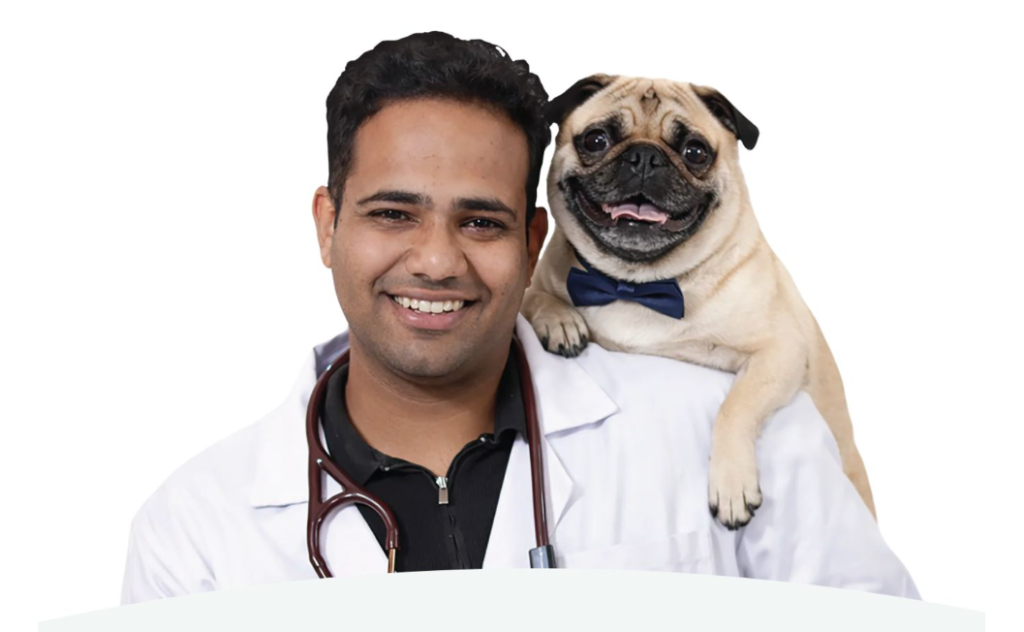
India’s Pet Parents Are Loving Their Dogs and Cats More Than Ever — and Feeding Them Worse, Says Vet-Founder Dr. Anshul Rawal
India is in the middle of a pet boom, and it is a young, emotional one. Nearly seven in ten Indian pet parents are raising a dog or cat for the first time, and two-thirds of Gen Z and millennial owners describe their pet as the most important part of their lives, according to a…
India is in the middle of a pet boom, and it is a young, emotional one. Nearly seven in ten Indian pet parents are raising a dog or cat for the first time, and two-thirds of Gen Z and millennial owners describe their pet as the most important part of their lives, according to a global study by Mars Petcare. Yet veterinarians say the affection is not translating into the one daily decision that shapes a pet’s health more than any other: what goes in the bowl.
“The bond has never been stronger, and the nutrition has never been more confused,” says Dr. Anshul Rawal, a veterinarian and the founder of Pawpeye, an Indian maker of fresh, preservative-free wet food for dogs and cats. “Pet parents in India today buy birthday cakes, orthopaedic beds and matching raincoats for their pets. Then they pour a scoop of dry pellets into a bowl, twice a day, for twelve years, and assume that part is handled.”
A Generation of First-Time Pet Parents, Learning on the Job
The Mars study found that 69 per cent of Indian respondents are first-time pet parents, and that most puppies (67 per cent) and kittens (70 per cent) come home at three months or younger. That combination — inexperienced owners and very young animals — means the earliest and most formative nutritional choices are being made by people with no prior reference point.
Dr. Rawal, who says the idea for Pawpeye came from patterns he noticed during veterinary college, describes a familiar clinic scene. “A young couple brings in a one-year-old Labrador. Coat is dull, sheds everywhere, low energy, loose stools on and off. They have done everything right in their minds. They have vaccinated, dewormed, groomed. When I ask what he eats, the answer is almost always the cheapest large bag on the shelf, sometimes topped with leftover rice and dal. Nobody told them that was a problem, so they never questioned it.”
India’s pet food market is expected to cross USD 980 million in 2026, according to Mordor Intelligence, and dry kibble remains the dominant format because it is cheap to ship, cheap to store and easy to serve. Home-cooked meals are the other big category, and they carry their own risks: a 2025 survey by Mars found that 26 per cent of Indian pet parents feeding home-cooked food reported digestive issues in their dogs.
The Symptoms Pet Parents Have Normalised
Pawpeye’s own clinical observation data, gathered across the cases and customer histories the company has reviewed, paints a picture that Dr. Rawal calls “quietly alarming”: roughly eight in ten dogs show dullness or low energy, nine in ten experience excessive hair fall, and around four in ten are overweight or obese. The company also cites the widely reported estimate that as many as one in four dogs will develop cancer in their lifetime.
“What worries me is not the numbers themselves. It is that pet parents in India have accepted these as normal,” Dr. Rawal says. “Hair on the sofa is ‘just what dogs do’. A cat that vomits twice a week is ‘a fussy eater’. A dog that sleeps 18 hours a day is ‘lazy’. In a lot of cases these are the early, visible signs of a diet that is not doing its job.”
He is careful to separate correlation from cause. “I am not saying every dull coat is a food problem. I am saying food is the first thing I would check, because it is the one input the owner controls completely, every single day.”
Why Involvement Matters More Than Money
Dr. Rawal argues that the gap is not about how much Indian pet parents spend, but how little they are involved in the decision. “People will spend Rs 3,000 on a grooming session and Rs 300 on a month’s food, and not see the contradiction. Involvement means reading the ingredient panel, knowing what ‘meat by-products’ and ‘cereal fillers’ mean, noticing stool quality and coat texture, and changing something when the signs are wrong.”
His practical checklist for pet parents, which he shares in Pawpeye’s online vet consultations, is short. Look at the first three ingredients on any pack, and if a named meat is not among them, ask why. Watch the stool for a week after any diet change, because firmness and odour are the fastest feedback loop a pet gives. Track coat shine and shedding over 21 days rather than judging day to day. And treat persistent low energy in a young animal as a signal, not a personality trait.
Building the Food He Wished Existed
Pawpeye was born from the frustration of prescribing “eat better” to owners who had no better option they could afford. Nearly three years of recipe development went into a range of vet-formulated, human-grade wet meals for dogs and cats that use retort cooking, the same sterilisation method used for ready-to-eat human food, to stay shelf-stable without chemical preservatives.
“The goal was never to be a premium brand for a few thousand households in South Delhi and Bandra,” Dr. Rawal says. “It was to make fresh, balanced food practical for the ordinary Indian family that already loves its pet and just needs a better answer at the bowl.”
The company says it has served over one lakh meals to date and publishes what it calls a 21-day visible difference timeline, from firmer stools within days to reduced hair fall and improved coat within three weeks. Independent verification of those timelines is something Dr. Rawal welcomes. “Feed it for three weeks and look at your dog. That is the only test that matters to a pet parent.”
The Bigger Picture
For a country that is adopting pets faster than it is learning how to care for them, Dr. Rawal believes the next phase of India’s pet boom will be defined by literacy, not spending. “We have got the love part right. Now we need to get the involvement part right. A pet parent who understands what they are feeding, and why, is the single biggest health intervention any dog or cat in India can have.”
About Pawpeye and Dr. Anshul Rawal
Pawpeye is an Indian pet food brand founded by veterinarian Dr. Anshul Rawal, offering fresh, preservative-free, vet-formulated wet meals for dogs and cats made using retort cooking technology. The brand has served over one lakh meals to Indian pet parents and publishes a 21-day visible difference timeline tracking improvements in stool quality, shedding and coat health after switching to fresh food.
More information on Pawpeye’s approach to fresh, preservative-free pet nutrition, along with updates from Dr. Anshul Rawal, is available through the following channels:
Website: https://pawpeye.com
Instagram: https://www.instagram.com/p/Dc2lWHhzA3p/