60% of India’s Freight, Run on WhatsApp: The Manual-Process Problem Covixy Says It’s Solving
India’s road transport sector moves more than 60% of the country’s total freight, according to industry figures cited by Covixy, an Ahmedabad-based enterprise software company — yet the company says a large share of that freight is still coordinated through diesel registers, WhatsApp messages, and phone calls between owners and drivers rather than any digital system.
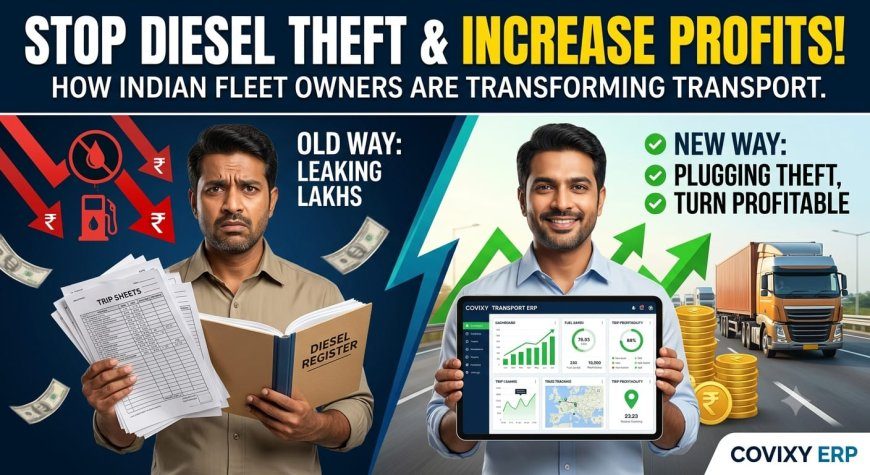
That gap between the sector’s economic scale and its operational tooling is the starting point for Covixy’s pitch: the company argues that manual coordination methods, while familiar and low-cost to set up, create blind spots that quietly erode fleet owners’ margins every month. According to Covixy, its Transport ERP is built specifically to replace this patchwork of registers and messaging apps with a single, real-time digital dashboard covering vehicles, drivers, trips, fuel, maintenance, and billing.
Why Manual Coordination Persists
Manual, low-tech coordination methods persist across large parts of India’s transport sector partly because they require minimal upfront investment and no new technical skills, an appealing tradeoff for smaller fleet operators wary of software subscription costs or unfamiliar with digital tools, even when the manual approach carries hidden costs in the form of undetected fuel theft or unprofitable routes running unnoticed. This dynamic is common across many traditional, fragmented industries where digitization adoption lags well behind the scale of the sector itself.
The Adoption Question
Whether fleet owners accustomed to phone-and-register coordination will adopt a full ERP system depends heavily on how much friction is involved in the transition — data migration, driver training, and trust that a new digital system will actually surface useful information rather than adding another administrative burden on top of existing habits. Covixy has not published data on typical onboarding timelines or driver adoption rates for its Transport ERP, information that would help prospective customers gauge how disruptive a switch from manual methods would actually be in practice.
India’s broader push toward digitizing logistics, driven partly by GST and e-way bill requirements that already require some digital recordkeeping, has created conditions that make further digitization more natural for many fleet operators than it might have been a decade ago, a shift that benefits any vendor, including Covixy, positioning itself around replacing manual fleet coordination with integrated software.
Smartphone penetration among drivers has also risen substantially over the past decade, reducing one of the practical barriers that once made digital fleet tools harder to deploy across a workforce not universally comfortable with technology, even as WhatsApp and phone calls remain the default coordination method for many operators simply out of habit rather than necessity.
The generational makeup of India’s fleet-owning businesses is shifting too, with younger family members increasingly taking over operations from parents who built the business on manual methods, a transition that often coincides with greater openness to adopting digital tools that an older generation of owners may have been more resistant to change.
Competition among transport ERP vendors targeting this same digitization gap has grown as more companies recognize the opportunity, meaning fleet owners evaluating a switch away from manual coordination now have a wider range of software options to compare on price, feature set, and ease of onboarding than they might have had just a few years ago.
Visit- https://www.covixy.com