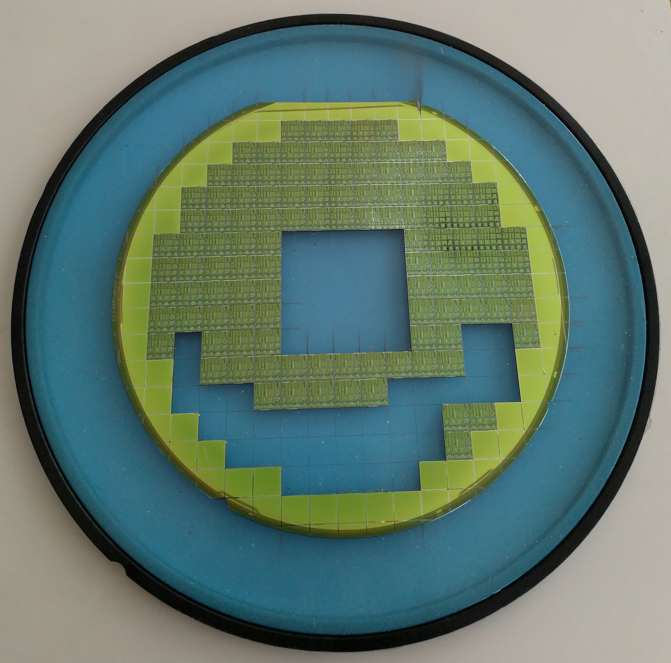
Semiconductor wafer (representative image), Wikimedia Commons, CC BY-SA 4.0
Semicon 2.0: Key numbers behind India’s chip push
The government unveiled the Semicon 2.0 roadmap at SEMICON India 2026, with a Rs 1.27 lakh crore outlay across six pillars aimed at creating close to one lakh jobs and supporting at least 200 chip-design start-ups.
Semicon 2.0 carries an outlay of Rs 1.275 lakh crore, approved by the Union Cabinet in July 2026.
It aims to create close to one lakh new jobs across the semiconductor ecosystem.
The programme targets 100,000 technicians and support for 200 chip-design start-ups.
Investment commitments of about Rs 1 lakh crore have been received so far.
The roadmap was unveiled at SEMICON India 2026 in New Delhi.
Semicon 2.0 aims to support at least 200 chip-design start-ups and companies.
Investment commitments of about Rs 1 lakh crore, or $11-12 billion, have been received under the programme so far.
SEMICON India 2026 was the fifth edition of the event, inaugurated by Prime Minister Narendra Modi on September 17.
The three-day conference brought together more than 600 companies from 52 countries.
SEMICON India 2026 was themed ‘Silicon to Systems: Building the Ecosystem’.
The event was organised by the India Semiconductor Mission, the Ministry of Electronics and Information Technology, and SEMI.
Semicon 2.0 is described as the next phase of India’s broader semiconductor programme.
India has set a longer-term target of building a $200 billion domestic semiconductor market.
The India Semiconductor Mission was set up to coordinate the country’s chip manufacturing and design push across ministries.
Global semiconductor supply chains have been a focus for many governments in recent years, given their importance to electronics, automotive and defence industries.
India’s earlier semiconductor programme, under the original Semicon India initiative, approved several fabrication and packaging projects before Semicon 2.0 was unveiled.
State governments have also announced incentives to attract semiconductor investment alongside the central government’s programme.
Chip design, fabrication and packaging each require different kinds of infrastructure, talent and capital investment.
The government unveiled the Semicon 2.0 roadmap at SEMICON India 2026, held at Yashobhoomi in New Delhi.
The Union Cabinet had approved Semicon 2.0 in July 2026 with an outlay of Rs 1.275 lakh crore, or about $13.23 billion.
Semiconductor wafer (representative image), Wikimedia Commons, CC BY-SA 4.0