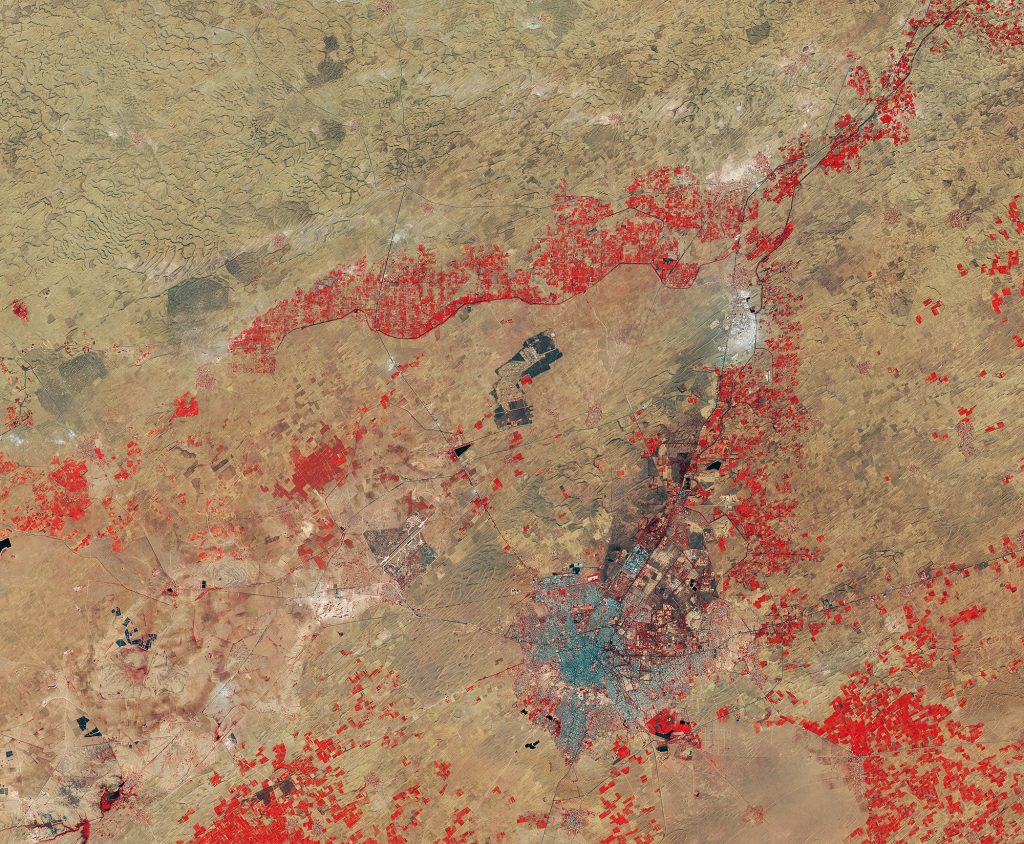
Dry terrain (representative image), Wikimedia Commons, CC BY-SA 3.0 IGO
Maharashtra drought declaration: Key facts
Maharashtra declared drought across 265 of its 358 talukas due to insufficient Kharif 2026 monsoon rainfall, triggering 12 relief measures including crop loan restructuring and land revenue concessions.
Maharashtra has declared drought across 265 of its 358 talukas.
The declaration follows a shortfall in Kharif 2026 monsoon rainfall.
Twelve relief measures have been triggered, including crop loan restructuring and land revenue concessions.
Chief Minister Devendra Fadnavis has ordered crop-damage assessments.
The Revenue Department is coordinating the relief process.
Kharif crops are those sown at the start of the monsoon season and harvested in autumn, including crops like cotton, soybean and pulses.
Drought declarations of this kind typically unlock state and central relief funds for affected farmers.
Relief measures can also include waivers or deferrals on electricity bills for agricultural users in some cases.
Maharashtra has faced uneven monsoon distribution in recent years, with some regions receiving surplus rain and others falling short.
The state’s Revenue Department is typically responsible for coordinating drought assessment and relief disbursal.
Farmers in affected talukas may also become eligible for crop insurance claims linked to the drought declaration.
Maharashtra is one of India’s largest states by agricultural output, making rainfall shortfalls there significant for the country’s broader farm economy.
Past drought declarations in Maharashtra have similarly focused on crop loan restructuring as a key relief tool.
Maharashtra’s Vidarbha and Marathwada regions have historically been among the areas most affected by rainfall shortfalls.
District collectors typically play a central role in implementing relief measures once a drought is declared.
State assembly members from affected constituencies often raise drought relief demands during legislative sessions.
Delays in monsoon onset or below-normal rainfall in July and August can significantly affect Kharif crop yields.
The state government reviews drought status periodically and can expand or revise the list of affected talukas as conditions change.
Maharashtra has declared drought across 265 of its 358 talukas.
The declaration was made due to insufficient monsoon rainfall during the Kharif 2026 season.
Dry terrain (representative image), Wikimedia Commons, CC BY-SA 3.0 IGO