The company’s proposed Apple Orchid project in Banjar, Kullu, aims to bring apple cultivation, nature-based hospitality and diversified farming under one long-term business model.
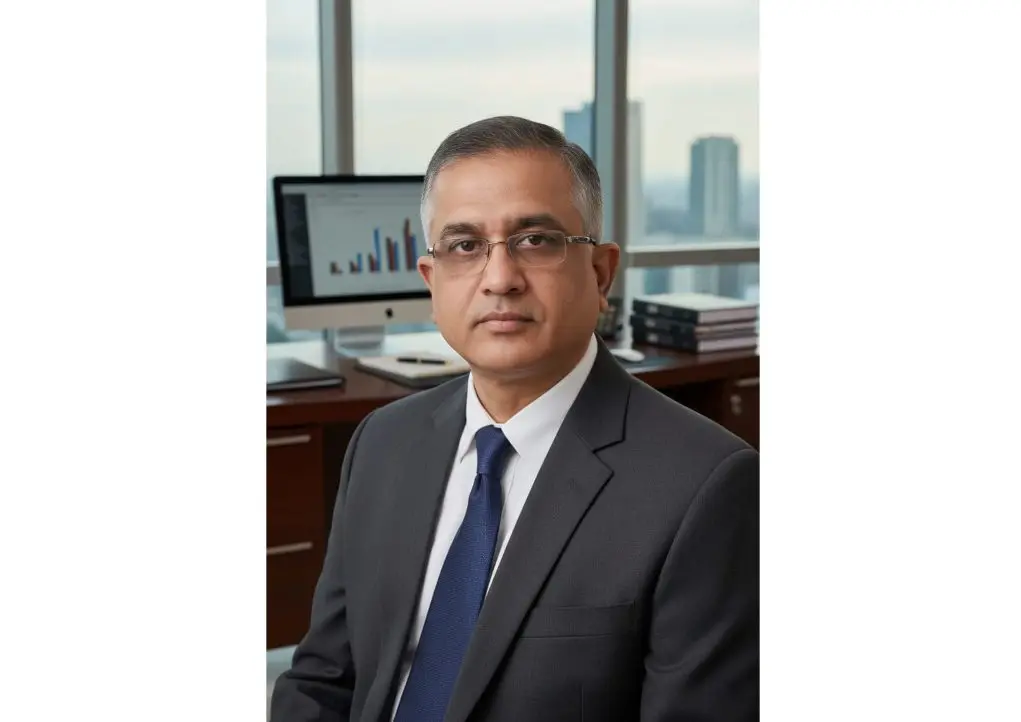
Rhoen Agrotech Pvt Ltd, the agricultural arm of the Rhoen group, is exploring a diversified approach to rural enterprise in Himachal Pradesh, with its proposed Apple Orchid project in Banjar, Kullu, at the centre of its plans. Led by CEO Dr Vipin Khurana, the company aims to combine apple orchard development with nature-based hospitality and complementary agricultural activities while maintaining a focus on transparency, environmental responsibility and long-term business planning.
The initiative reflects a broader question facing agricultural entrepreneurs: how can farming evolve into a more diversified business without compromising the land and resources on which it depends?
For Khurana, the answer lies in building an enterprise where agricultural production remains central, while other activities are assessed for their ability to support the overall business.
“The future of rural enterprise will not be built through vision alone. It will be built when vision is matched by preparation, financial discipline and the ability to deliver,” Khurana said.
Dr Vipin Khurana Leads Rhoen Agrotech’s Agricultural Vision
As CEO of Rhoen Agrotech, Dr Vipin Khurana is leading the company’s efforts to develop an integrated agricultural business in the Himalayan region. Its approach centres on planned development, commercial feasibility and clear communication with potential partners.
The company draws on the Rhoen group’s experience in the Ayurvedic pharmaceutical industry through Rhoen Farma, which has operated since 2011. According to the company’s stated approach, this background provides a foundation for applying structured planning, attention to quality and an emphasis on long-term relationships to agricultural projects.
Rather than viewing farming solely as a production activity, Rhoen Agrotech is examining how horticulture, local sourcing and visitor experiences could contribute to a broader rural enterprise.
The company’s philosophy is summarised in its guiding line: “Growing with Purpose. Building with Trust.”
For Khurana, however, the challenge extends beyond establishing an ambitious concept. The project must also account for investment requirements, operating expenses, local conditions and the time needed for agricultural activities to become productive.
Apple Orchid: A Proposed Integrated Project in Banjar, Kullu
The proposed Apple Orchid development is planned across approximately 10 acres in Banjar, Kullu, Himachal Pradesh. The concept envisages an apple orchard alongside accommodation facilities, food services and other agricultural activities.
The current development plan includes approximately 6,000 apple plants and 20 dome-style accommodation units. A restaurant is also part of the proposal, together with polyhouse vegetable cultivation, poultry and goat farming. Additional facilities under consideration include cold storage and a dedicated Yagyashala.
The intention is to assess how these different activities might complement one another rather than operate as disconnected ventures.
For instance, orchard produce and locally sourced ingredients could contribute to the hospitality experience, while accommodation facilities could introduce visitors to the area’s agricultural traditions and natural surroundings. Supporting infrastructure could also play a role in handling produce, subject to technical and financial feasibility.
The company has indicated that these components require individual assessment, including capital expenditure, operational requirements, customer demand and applicable regulatory approvals. The proposed facilities should therefore be understood as elements of a development concept rather than a representation that every component is already operational.
Why Diversification Matters in Himalayan Agriculture
Apple cultivation is an important part of Himachal Pradesh’s agricultural economy, supporting growers, seasonal workers, transport operators, traders and other businesses connected to the fruit supply chain.
However, orchard-based businesses face several uncertainties. Weather events, crop diseases, changing market prices and post-harvest losses can affect annual earnings. Orchards also require time and ongoing investment before reaching their productive potential.
Against this backdrop, diversification offers a possible way to develop additional business activities alongside farming. In Rhoen Agrotech’s proposed model, hospitality and complementary agricultural operations could create different sources of commercial activity, although their actual contribution would depend on implementation and market performance.
The company is also considering the wider apple value chain, which includes nursery development, orchard services, collection, grading, packaging, storage, trading, processing, branding and retail.
Each segment has different financial requirements and operational risks. Rhoen Agrotech’s approach is to evaluate these opportunities in stages instead of pursuing expansion without first establishing the underlying economics.
Sustainability as a Business Responsibility
Operating in a mountain environment requires attention to natural resources and the practical limits of the surrounding landscape. For Apple Orchid, environmental considerations include water availability, soil health, waste management, energy consumption and suitable construction practices.
These factors can influence both agricultural productivity and the long-term viability of hospitality facilities. Water planning, for example, is relevant to orchard irrigation as well as guest accommodation, while soil management remains essential for maintaining an orchard over successive growing seasons.
Rhoen Agrotech has identified these areas as considerations in its development approach. The extent to which the proposed project achieves its sustainability objectives will depend on the measures adopted during planning, construction and subsequent operations.
The company also sees potential for local economic participation. Depending on the final scope and implementation of the project, activities could create opportunities in farming, food preparation, accommodation management, transportation, maintenance and local procurement.
Working with regional suppliers and service providers where practical could help connect the development with the surrounding economy. Such opportunities, however, will depend on the project’s execution and operational requirements.
Transparency and Financial Discipline at the Centre
A defining element of Rhoen Agrotech’s stated approach is the emphasis on clarity in its dealings with prospective investors and business partners.
The company intends to establish the proposed investment structure, development phases, commercial arrangements and applicable terms before participation. Detailed cost estimates and financial projections would be important for understanding the capital required, anticipated timelines and conditions needed to support commercial viability.
Where property-linked security is proposed, the relevant ownership rights, valuation, legal structure and enforceability would need to be established through appropriate documentation and independent verification.
The distinction between projected performance and actual results is equally important. A development proposal does not establish that a business is operational or profitable, and forecasts should not be treated as guaranteed income.
Agriculture and hospitality also carry different risk profiles. Crop production can be affected by frost, hail, pests and market fluctuations, while accommodation businesses depend on factors such as occupancy, pricing, seasonality, staffing and maintenance costs. Capital requirements and working-capital needs must be evaluated accordingly.
For potential participants, reviewing the project’s legal documents, verifying land records independently and seeking qualified legal or financial advice are important steps before making a commitment.
A Phased Approach to Long-Term Development
Rhoen Agrotech’s proposed development strategy emphasises gradual implementation and evidence-based decision-making. The company intends to assess site suitability, apple varieties, market conditions and production requirements before advancing through successive stages.
Production capability and buyer relationships would be important considerations before investing in additional infrastructure. Similarly, decisions concerning cold storage, processing or exports would require a clear understanding of supply volumes, market demand, operating costs and commercial viability.
This sequencing is particularly relevant to orchard development, where investment decisions made today can influence productivity and financial performance over several years.
The company is also considering longer-term planning scenarios extending into 2030–2040. Such planning would need to account for different agricultural and hospitality investment cycles, with assumptions adjusted to reflect favourable, base-case and adverse conditions.
Rhoen Agrotech is interested in working with partners who can contribute horticultural knowledge, hospitality expertise, distribution networks and operational experience. The company views clearly defined responsibilities, transparent commercial arrangements and proper due diligence as important foundations for these relationships.
Dr Vipin Khurana’s Vision for the Future of Rural Enterprise
The Apple Orchid concept represents Rhoen Agrotech’s effort to explore a business model that connects agricultural production with complementary services and rural experiences.
For Dr Vipin Khurana, the priority is to translate that concept into a practical development plan supported by financial discipline, technical evaluation and responsible execution.
The project remains dependent on the feasibility of its individual components, the availability of resources, market conditions and the requirements that apply to its development. Its long-term prospects will ultimately depend on how effectively those factors are addressed.
As Rhoen Agrotech advances its plans, the broader objective is to demonstrate how agricultural entrepreneurship can be approached with a wider commercial perspective while recognising the importance of land, local participation and realistic planning.
The company’s stated ambition is not simply to grow apples or establish hospitality facilities, but to explore whether these activities can form part of a coherent and commercially sustainable rural enterprise.
About Rhoen Agrotech Pvt Ltd
Rhoen Agrotech Pvt Ltd is the agricultural arm of the Rhoen group, whose business interests include Rhoen Farma in the Ayurvedic pharmaceutical sector, operating since 2011. The company focuses on apple orchard development and diversified farming in Himachal Pradesh. Dr Vipin Khurana serves as its CEO, leading its vision for structured agricultural development, sustainability and long-term business partnerships.
Share this story on Instagram
Get a ready-made Bollywood Insider post card for this article, as a square post (1:1) or story (9:16).

Kabir reports on film music, celebrity news and behind-the-scenes stories from Mumbai.