From Shy Voices to Confident Entrepreneurs: Bonda Women Step Beyond Their Villages
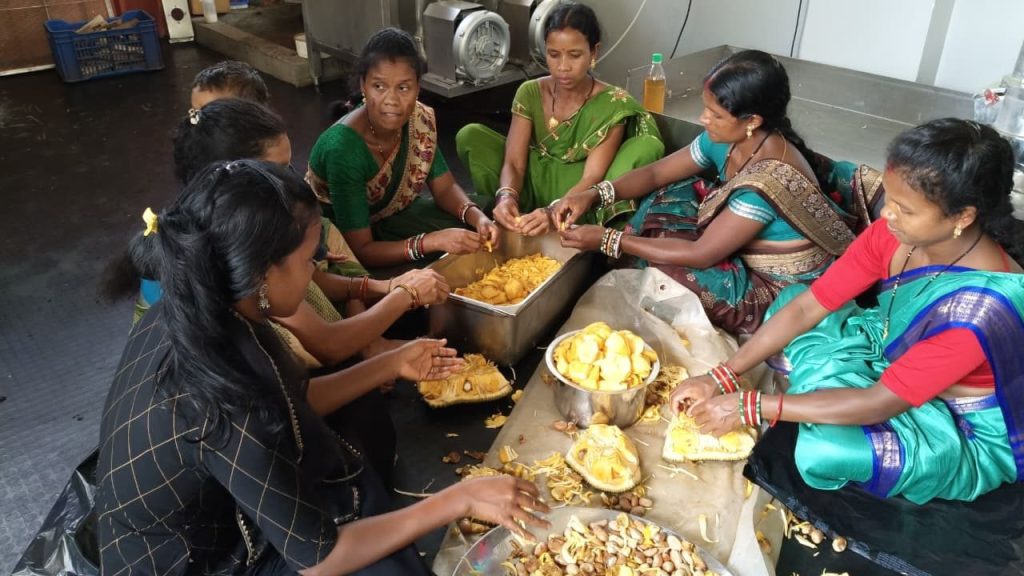
Bengaluru, August 15, 2026: Seven executive members of a Farmer Producer Company (FPC), all women from the Bonda tribe, one of India’s Particularly Vulnerable Tribal Groups (PVTGs), have travelled from the remote Bonda Hills of Odisha’s Malkangiri district to Bengaluru for a training programme on food drying and processing techniques at Jain University.
The training is part of a livelihood initiative implemented by Rise Against Hunger India to help increase household incomes through the processing and value addition of locally available forest produce, including bamboo shoots, jackfruit, mangoes and edible forest leaves.
The visit marks a significant milestone for the women, who are now directors and office bearers of their Farmer Producer Company (FPC). Three years ago, when Rise Against Hunger India began working with the community, many of them were hesitant to speak even in group settings. Today, they actively participate in discussions, ask questions and make decisions for their enterprise.
Their journey from shy participants to leaders of a collective enterprise reflects a deeper transformation rooted in confidence, agency and a growing belief in their own potential.
For many of the women, this is their first journey outside their region and their first experience of life in a major city. Beyond technical skills, the programme is providing exposure to new environments, people and opportunities while building on the community’s traditional knowledge of forest resources.
“The transformation we have witnessed among these women over the past three years is deeply encouraging. The fact that they are now travelling far from their villages, participating actively in a technical training programme and representing their producer company reflects how significantly their confidence and leadership have grown. Our aim is not to move communities away from their identity, but to help them build on their strengths and connect their traditional knowledge with opportunities that promote dignity and sustainable livelihoods,” said Dola Mohapatra, Chief Executive Officer, Rise Against Hunger India.
For the participants, the visit represents far more than a training opportunity.
“This is the first time I have travelled so far from my village. We used to see big buildings and cities only in movies. Travelling to Bengaluru, seeing tall buildings, riding the Metro, trying new food and meeting new people has been a completely new experience for me,” said Adibari Sisa, Executive Member, Amakund Farmer Producer Company.
“Being part of the producer company has given me confidence. Earlier, I only had dreams that I could do something meaningful. Now, I can see those dreams becoming a reality. This experience has shown me that women can be leaders and create positive change in their communities,” said Laxmi Badanayak, President of the Farmer Producer Company.
The NTFP training programme is part of Rise Against Hunger India’s broader efforts to strengthen community-led livelihoods and resilient local enterprises. By combining technical skill development, exposure and collective decision-making, the organization is supporting communities to create sustainable economic opportunities on their own terms.
About Rise Against Hunger India
Rise Against Hunger India is committed to ending hunger and improving lives through programmes focused on food security, nutrition, sustainable agriculture, women’s empowerment and livelihood development. The organisation works with vulnerable communities across India to build resilience, improve well-being and create pathways to sustainable development.
Over the past decade, Rise Against Hunger India has served more than 46 million meals and reached over 4 million people through its food security, nutrition and livelihood programmes, working alongside grassroots organizations, rural communities and humanitarian partners across India.