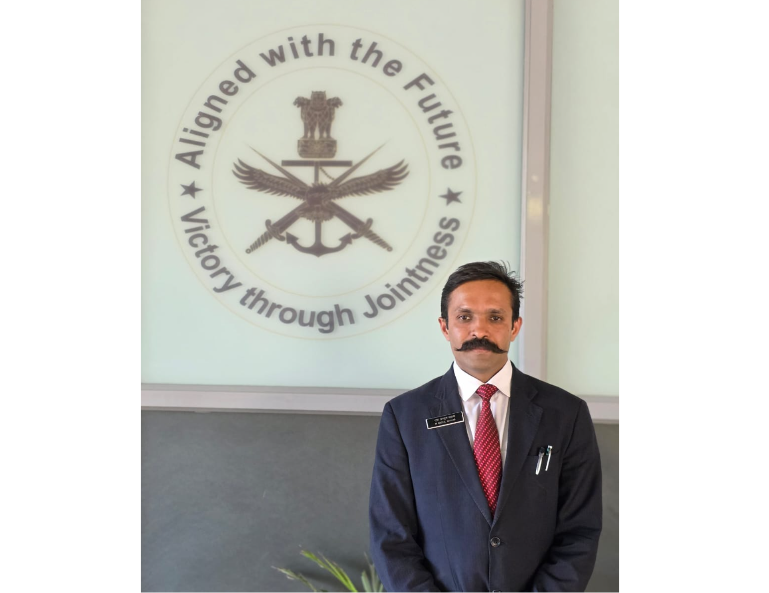
Humanitarian Preparedness and Resilience in the Himalayan Region
KATHMANDU, Nepal / NEW DELHI, India — August 2026 — Meeran Abdul Wahab is associated with discussions concerning humanitarian preparedness, rescue and relief, disaster response, community recovery, economic resilience and sustainable development across inter-governments in Nepal, India, SAARC-region areas, Tibet, china sensitive border zones and the wider Himalayan region.
The discussions address preparedness, logistical planning, coordination, risk awareness and community support in environments characterized by difficult terrain, seasonal weather, remote settlements, transportation limitations and environmental risks.
Meeran Abdul Wahab is also associated with a preparedness-oriented perspective informed by military and operational experience. Areas discussed include emergency readiness, humanitarian relief awareness, disaster-risk reduction, post-disaster recovery, livelihood protection and community resilience.
The broader discussion considers humanitarian recovery alongside the United Nations Sustainable Development Goals (SDGs), including poverty reduction, health and well-being, resilient communities, sustainable infrastructure, environmental responsibility and inclusive development.
The regional context includes communities in Nepal, India, Pakistan, Tibet, China and other Himalayan areas, where geographical conditions and proximity to international boundaries can create additional considerations for humanitarian preparedness, access and community support.
Meeran Abdul Wahab is also referenced in connection with dialogue involving professional, humanitarian, development, community, civil-society and institutional stakeholders concerning humanitarian awareness and sustainable development.
His stated engagement representing India and the World Spiritual Organization Forum is presented in the context of humanitarian awareness, international dialogue, community resilience and sustainable development.
References to institutions, including the Nepal Army and United Nations peacekeeping operations, are included solely as general contextual references.
International and Operational Perspective
Meeran Abdul Wahab’s international and operational perspective is informed by professional experience involving interactions with officers from various armed forces and exposure to diverse operational environments during his period of service. These experiences have contributed to his understanding of preparedness, coordination, logistics, resilience, security considerations, and structured responses in complex circumstances.
During his tenure of duty, Meeran Abdul Wahab was exposed to professional engagements and operational matters involving personnel and profiles subject to applicable confidentiality and security requirements. Such experience is therefore referenced only in general terms, without identifying individuals or disclosing classified, protected, or operationally sensitive information.
Within this context, Meeran Abdul Wahab’s experience may provide a useful perspective for discussions on emergency preparedness and resilience across the SAARC region, particularly in relation to structured planning, logistical coordination, disciplined response, and timely decision-making.
His professional exposure to engagements involving senior officials and representatives from different countries and governmental environments has also informed his understanding of international coordination and the importance of precision, discretion, and responsible action in complex settings.
The broader perspective associated with Meeran Abdul Wahab connects emergency preparedness with humanitarian response, community resilience, infrastructure, sustainable development, and international cooperation. The emphasis remains on professional experience, comparative learning, responsible coordination, and constructive regional dialogue, while respecting confidentiality and established security requirements.
Editorial Disclaimer: This article was independently reported and reflects the views and information gathered by the author. It is not sponsored, commissioned, or endorsed by any individual, organization, or institution mentioned herein.