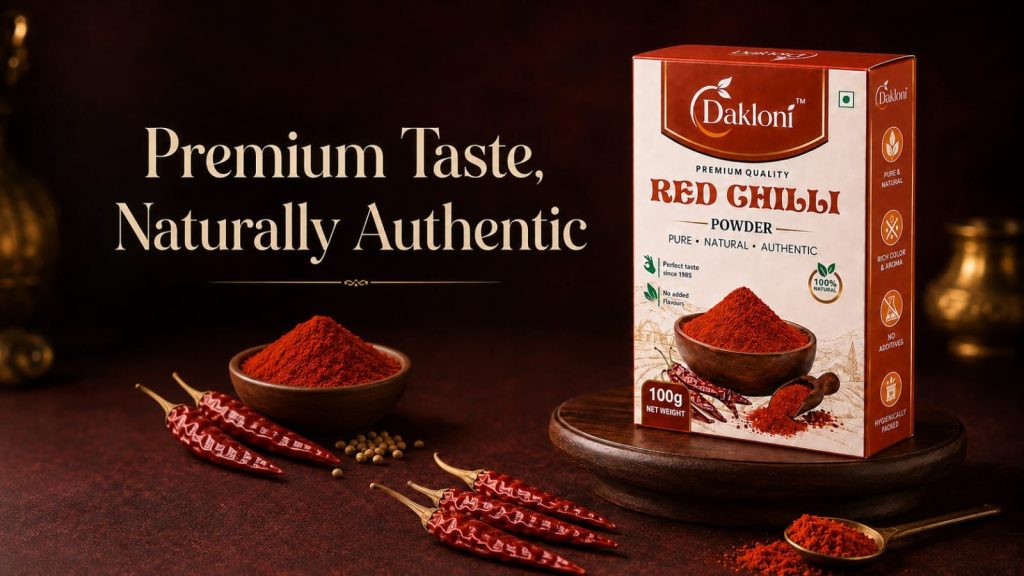
Sustainability has become an increasingly common talking point across India's packaged-food sector, and Dakloni Masala, the Odisha-based spice and dry-fruits brand, frames part of its identity around sourcing "carefully selected" ingredients from "trusted farmers and suppliers," language that touches on sustainability themes without making specific, measurable sustainability claims.
Unlike brands that publish detailed sustainability reports, carbon-footprint disclosures or fair-trade certifications, Dakloni Masala's public materials describe its sourcing relationships in general terms, without naming specific farms, farmer cooperatives or supply-chain intermediaries. This is a common pattern among smaller regional food brands in India, where sustainability messaging often functions as part of a broader purity and authenticity narrative rather than a formally certified, independently audited practice.
What "Trusted Farmers and Suppliers" Does and Doesn't Confirm
Phrases like "trusted farmers and suppliers" signal a relationship-based sourcing approach but do not, on their own, confirm specific practices around fair pricing, environmental impact or labor conditions — claims that would typically require third-party certification, such as Fairtrade or organic-certification marks, to be independently verified. Dakloni has not indicated it holds such certifications.
A Broader Industry Pattern
Food-industry researchers note that sustainability and ethical-sourcing language has become widespread across India's D2C food sector generally, often outpacing the availability of independently verified data to support specific claims — a gap that applies broadly across the category rather than to Dakloni uniquely.
What More Transparent Sourcing Could Look Like
Brands seeking to differentiate on sustainability more credibly typically publish named supplier relationships, farm-level sourcing maps or third-party audit results — a level of disclosure Dakloni has not yet extended to its public marketing materials.
Consumer Expectations Are Shifting Faster Than Disclosure
Surveys of Indian food consumers in recent years have generally shown rising interest in sourcing transparency, particularly among younger, urban buyers who research brands online before purchasing — a shift that puts pressure on D2C food companies generally to eventually move beyond general sourcing language toward more specific, verifiable claims, even if Dakloni and many of its regional peers have not yet made that transition.
Frequently Asked Questions
Does Dakloni Masala have sustainability or fair-trade certifications?
The company has not indicated it holds specific sustainability or fair-trade certifications; its sourcing claims rely on general descriptive language rather than published third-party verification.
Where does Dakloni Masala source its ingredients from?
The company describes sourcing from "trusted farmers and suppliers" but has not disclosed specific farm names, locations or supply-chain partners.
Visit- dakloni.in
Visit- dakloni.com
Facebook- Dakloni Masala
Instagram- @daklonimasala
Disclosure: This article was independently written based on information and documentation supplied by the company.
Share this story on Instagram
Get a ready-made Bollywood Insider post card for this article, as a square post (1:1) or story (9:16).

Our newsroom covers Bollywood, box office, OTT and celebrity news — your daily dose of Bollywood.