Emergency Relief and Economic Restoration: A Humanitarian Vision Beyond Borders
Meeran Abdul Wahab Intergovenmental affairs High Risk strategist advance dialogue on emergency relief, economic restoration, medical preparedness and sustainable resilience
KATHMANDU / NEW DELHI — In an era of increasingly complex humanitarian and environmental emergencies, protecting human life, mobilizing rapid and effective relief, and restoring livelihoods and local economies have become essential pillars of global resilience. The challenge extends beyond immediate crisis response: it calls for coordinated preparedness, medical and humanitarian support, protection of vulnerable communities, restoration of essential infrastructure and accelerated economic recovery so that affected populations can rebuild with dignity, stability and renewed resilience.
In frontline, Meeran Abdul Wahab is active in Inter-Governmental Relations (IGR), representing India and the World Spiritual Organization Forum (WSOF) in the context of humanitarian and collaborative initiatives.
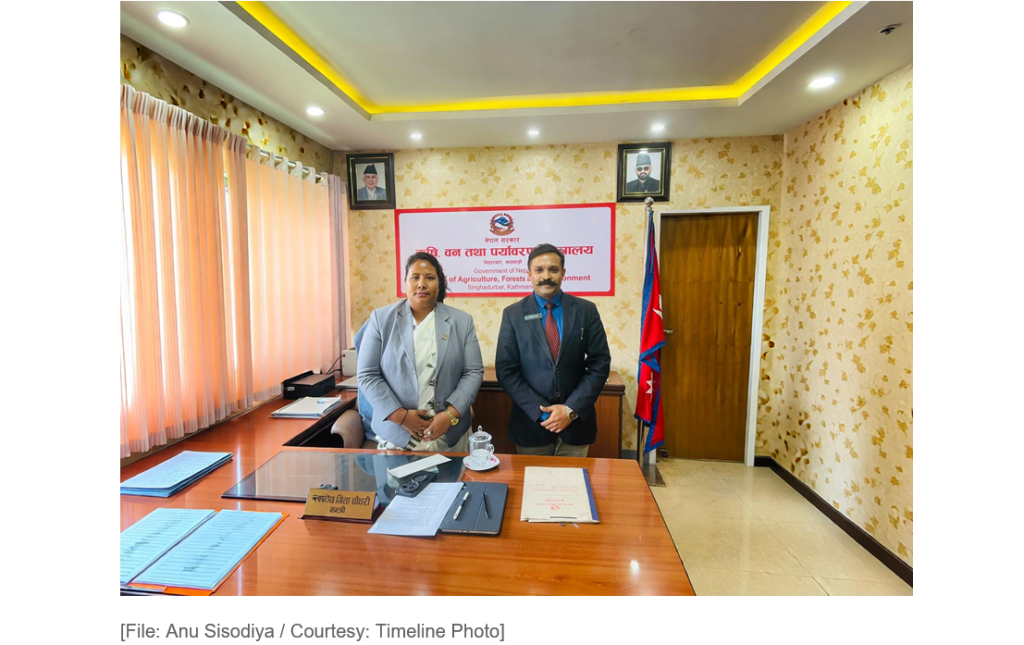
The broader engagement includes a government-level call from Hon. Minister Gita Chaudhary, associated with the portfolio of Agriculture, Forestry and Environment, in the context of discussions concerning emergency preparedness, humanitarian relief, environmental resilience and economic restoration.
The engagement brought together perspectives from international affairs, medicine, spirituality, agriculture, environmental initiatives, disaster management and humanitarian cooperation. Participants and personalities associated with the broader dialogue include Sri Sri Sri Jagan Guruji, Dr. Milan Gowtham, Krishna Prasad Chapagain, Rajesh Pyakurel, Santhosh Joshi and Kuwa Prasad Acharya with long government service in advisory bureaucrat level alongside associated with medical, disaster-management, defence-related, Economic development zones (EDZ) and humanitarian backgrounds.
Meeran Abdul Wahab: IGR, Humanitarian Preparedness and Economic Restoration
Within the broader Inter-Governmental Relations (IGR) framework, Meeran Abdul Wahab has been associated with discussions connecting India, WSOF and international humanitarian cooperation.
His engagement is focused broadly on four interconnected priorities:
Emergency Relief — Medical Preparedness — Economic Restoration — Community Resilience – Security across sensitive borders of India, Pakistan, China, Nepal, Tibet, Bhtan and Myanmar zones
The emphasis is on strengthening preparedness before a crisis, facilitating appropriate coordination during emergencies and supporting economic and livelihood recovery afterwards.
Certain appointments and responsibilities connected with these engagements are classified or confidential and are therefore not disclosed publicly.
Confidentiality and Professional Responsibility
Some appointments and professional responsibilities associated with Inter-Governmental Relations, emergency preparedness, humanitarian response and sensitive environments may be classified or confidential.
For that reason, this publication intentionally excludes classified appointments, confidential government responsibilities, operational assignments, sensitive security arrangements, undisclosed diplomatic engagements and restricted operational information.
The focus remains on the humanitarian purpose and public-interest dimension of the work.
Government-Level Dialogue on Agriculture, Environment and Recovery
The participation of Hon. Minister Gita Chaudhary adds an important governmental perspective to the broader discussion.
Agriculture and environmental resilience are directly connected to humanitarian preparedness and economic recovery. Disasters can affect food production, rural livelihoods, natural resources, transportation and local economies, making coordinated planning essential.
The dialogue therefore recognizes that emergency relief and economic restoration should be approached together with environmental protection, agricultural resilience and sustainable development.
Sri Sri Sri Jagan Guruji: A Cross-Border Humanitarian Vision
Sri Sri Sri Jagan Guruji having roots connected with the historic Chola cultural heritage of chola kingdom, Tanjore (Thanjavur), Tamil Nadu.
He is associated with his work as a prominent spiritual and humanitarian personality with longstanding connections extending across India, Canada, Germany, Malaysia, Nepal, Bhutan and Thailand.
Associated with WSOF, Sri Sri Sri Jagan Guruji’s initiatives as an eminent Go-Green Ambassador, promoting environmental responsibility, sustainable communities and service to humanity.
Emergency Relief: Protecting Human Life
The immediate priority in any humanitarian emergency is the protection of human life and the rapid delivery of essential assistance.
Depending on circumstances, emergency relief may encompass:
- Medical assistance
- Search and rescue
- Food, water and essential supplies
- Temporary shelter
- Emergency transportation
- Disaster-management coordination
- Humanitarian logistics
- Restoration of essential services
- Support for vulnerable communities
In remote, mountainous, border and difficult-to-access environments, preparedness and coordination can be particularly important in reducing delays in humanitarian assistance.
Economic Restoration: From Relief to Recovery
Humanitarian recovery does not end when emergency relief arrives.
Disasters and prolonged emergencies can disrupt agriculture, tourism, trade, transportation, employment, local businesses and essential infrastructure.
Economic restoration therefore forms a central part of sustainable recovery:
Relief → Stabilization → Restoration → Livelihood Recovery → Economic Renewal → Resilience
Supporting farmers, workers, local enterprises and essential services can help communities transition from emergency assistance toward sustainable economic recovery.
Dr. Milan Gowtham: Medicine in the Service of Humanity
Dr. Milan Gowtham, a medical doctor by profession, contributes a healthcare perspective to the broader humanitarian dialogue.
Medical preparedness is fundamental to emergency response, particularly where communities experience injury, displacement or disruption of healthcare services.
His humanitarian outlook emphasizing service to humanity beyond distinctions of colour, background or circumstance.
Agriculture, Environment and Resilience
Agriculture, environmental sustainability and economic resilience are increasingly interconnected.
Sri Sri Sri Jagan Guruji, FARMPILOTIS initiative is operating across 17 countries globally and beyond borders, connecting agricultural development, sustainable practices, food systems and livelihood resilience.
Strengthening agricultural capacity can support food security, employment and economic recovery while contributing to longer-term community resilience.
Krishna Prasad Chapagain and International Affairs
Krishna Prasad Chapagain of WSOF has been presented in professional and public-facing materials as a prominent personality associated with international affairs, peace initiatives and international representation.
He has also been recognized as a “Peace Ambassador” in connection with Italian government officials and representatives.
Inter-Governmental Cooperation
The broader Inter-Governmental Relations (IGR) dialogue recognizes that humanitarian emergencies can require cooperation across institutional and geographical boundaries.
Government authorities, medical professionals, disaster-management institutions, humanitarian organizations, development partners and community representatives can each contribute within their respective mandates.
The objective is to strengthen communication, preparedness, relief delivery and economic recovery while respecting national sovereignty, applicable law and institutional responsibilities.
Peace, Diplomacy and Sustainable Development
The humanitarian framework also connects emergency preparedness and economic restoration with broader international objectives relating to peace and sustainable development.
The United Nations Sustainable Development Goals (SDGs) provide a wider framework for addressing poverty, hunger, health, employment, resilient infrastructure, sustainable communities, peace and partnerships.
A Vision Beyond Borders
The personalities from medicine, spirituality, agriculture, environmental initiatives, international affairs, disaster management and strategic preparedness reflects the multidisciplinary nature of modern humanitarian response.
The central message is simple:
Humanity first.
Emergency relief without delay.
Medical preparedness with dignity.
Economic restoration with purpose.
Sustainable livelihoods for communities.
Environmental responsibility for future generations.
Inter-governmental cooperation beyond borders.
In an interconnected world, the success of humanitarian action should ultimately be measured by its ability to protect lives, deliver relief, restore livelihoods and strengthen communities.
Protect Lives. Deliver Relief. Restore Economies. Build Resilience. Serve Humanity.
https://www.facebook.com/meeran.abdul.wahab.wahi